Tel.: +86 574 6222 6513
Tel.: +86 574 6222 6513
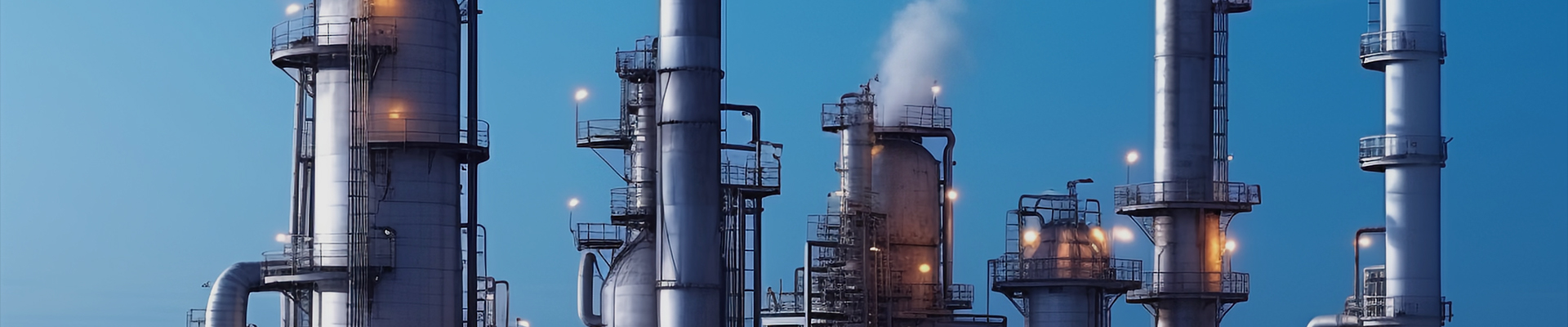
Explosion-proof lighting is essential for maintaining safety and efficiency in hazardous environments. Whether you’re operating in an oil rig, chemical plant, or a mining site, proper installation and use of these lighting solutions are crucial. Safer-Ex, a leading provider of advanced explosion-proof lighting, offers this comprehensive guide to help you navigate the best practices and safety guidelines.
Before starting the installation process, it’s vital to plan and prepare. This involves:
· Assessing the Environment: Understand the specific hazardous environment where the lighting will be installed. Identify potential risks such as flammable gases, dust, or vapors.
· Choosing the Right Lighting: Select explosion-proof lighting that meets the specific requirements of your environment. Safer-Ex offers a range of UL, CSA, IECEx, and ATEX certified products to suit various industrial applications.
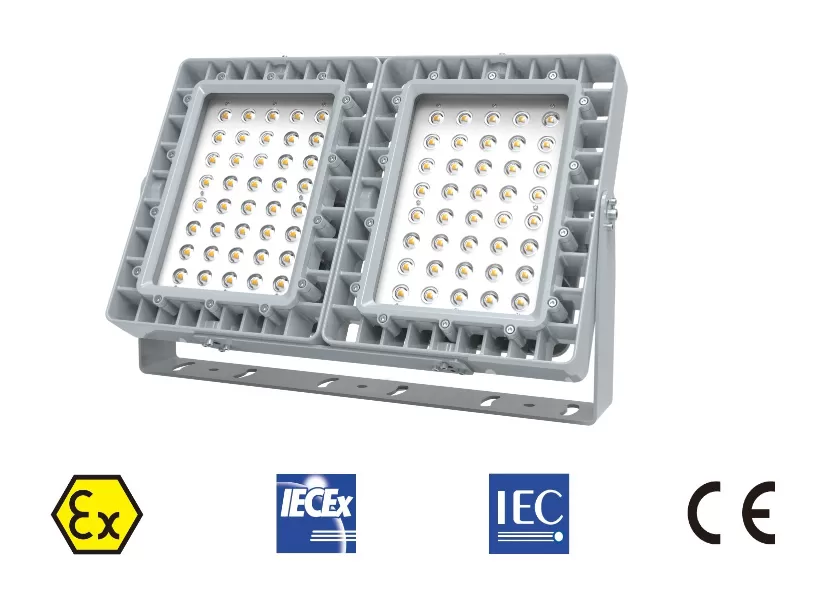
Compliance with industry standards is non-negotiable. Ensure that your chosen lighting fixtures are certified and adhere to regulations such as:
· UL (Underwriters Laboratories)
· CSA (Canadian Standards Association)
· IECEx (International Electrotechnical Commission System for Certification to Standards Relating to Equipment for Use in Explosive Atmospheres)
· ATEX (Atmosphères Explosibles)
Follow these steps to ensure a safe and effective installation:
· Mounting: Securely mount the lighting fixtures in a manner that minimizes vibration and potential damage. Use appropriate brackets and supports as specified by the manufacturer.
· Wiring: Ensure that all electrical connections are made using explosion-proof junction boxes and conduit systems. Avoid any loose connections and follow the electrical codes applicable to your region.
· Sealing: Properly seal all fixtures and conduits to prevent the ingress of hazardous materials. Use certified sealing compounds and techniques.
· Testing: Once installed, thoroughly test the lighting system to ensure it operates correctly and safely. Conduct regular maintenance checks to ensure continued compliance and functionality.
Selecting the appropriate explosion-proof lighting is crucial for maintaining safety, efficiency, and compliance in hazardous environments. When evaluating options, consider:
1. Hazardous Area Classification
Ensure the lighting fixture is rated for the specific zone where it will be installed (e.g., Zone 1/Zone 2 for gases, Zone 21/22 for dust). Certified products (ATEX, IECEx, UL/FM) provide confidence in compliance with international safety standards.
2. Light Source and Efficiency
Modern explosion-proof lighting includes LED, fluorescent, and halogen options. LED solutions offer high energy efficiency, long lifespan, and low maintenance, which can reduce total cost of ownership.
3. Material and Durability
Explosion-proof lighting is typically made from stainless steel, aluminum alloy, or polycarbonate materials. Choose fixtures that can withstand environmental factors such as corrosion, humidity, or chemical exposure.
4. Ingress Protection (IP) and Impact Resistance
High IP ratings (IP66 or above) protect against dust and water ingress, while robust housings reduce the risk of damage from accidental impacts in industrial areas.
These considerations help you balance safety, performance, and operational cost when selecting lighting solutions for hazardous areas.
Conduct regular inspections to identify and address any issues before they become serious problems. Check for:
· Wear and Tear: Look for signs of wear and tear, such as cracks, corrosion, or loose fittings.
· Electrical Integrity: Ensure that all electrical components are intact and functioning correctly.
Keep the lighting fixtures clean and well-maintained:
· Cleaning: Use appropriate cleaning agents that do not compromise the integrity of the explosion-proof fixtures. Avoid using abrasive materials that could damage the protective coatings.
· Maintenance: Follow the manufacturer’s maintenance schedule. Replace any damaged parts with genuine components to ensure continued safety and performance.
Have clear emergency protocols in place:
· Emergency Lighting: Ensure that emergency lighting is operational and can be relied upon during power outages or emergencies.
· Training: Train personnel on the proper use and maintenance of explosion-proof lighting. Ensure they know how to respond in case of an emergency.
Maintain detailed records of all installations, inspections, and maintenance activities. This helps in tracking the performance and ensuring compliance with safety standards.
For environments with flammable gases, vapors, or combustible dust, installing certified explosion-proof lighting is essential for safety and regulatory compliance.
We offer a wide range of ATEX/IECEx/UL-certified explosion-proof lights, suitable for:
· Oil & Gas Processing Facilities
· Chemical and Petrochemical Plants
· Mining and Heavy Industries
· Grain and Dust-Prone Environments
· Offshore Platforms and Marine Facilities
Our lighting solutions ensure high illumination, durability, and long-term reliability in hazardous conditions.
Choosing the right explosion-proof lighting for your hazardous area can be challenging. Let our experts guide you:
· Interpret hazardous area classifications
· Select fixtures that meet your operational and compliance needs
· Provide detailed product specifications and quotes
Contact us today to discuss your project requirements and get tailored recommendations for explosion-proof lighting.
Previous : Energy-Efficient and Eco-Friendly Explosion-Proof Lighting Solutions
Next: The Latest Trends and Technologies in Explosion-Proof Lighting

 Español
  عربي
عربي